Sub-Total: £0.00
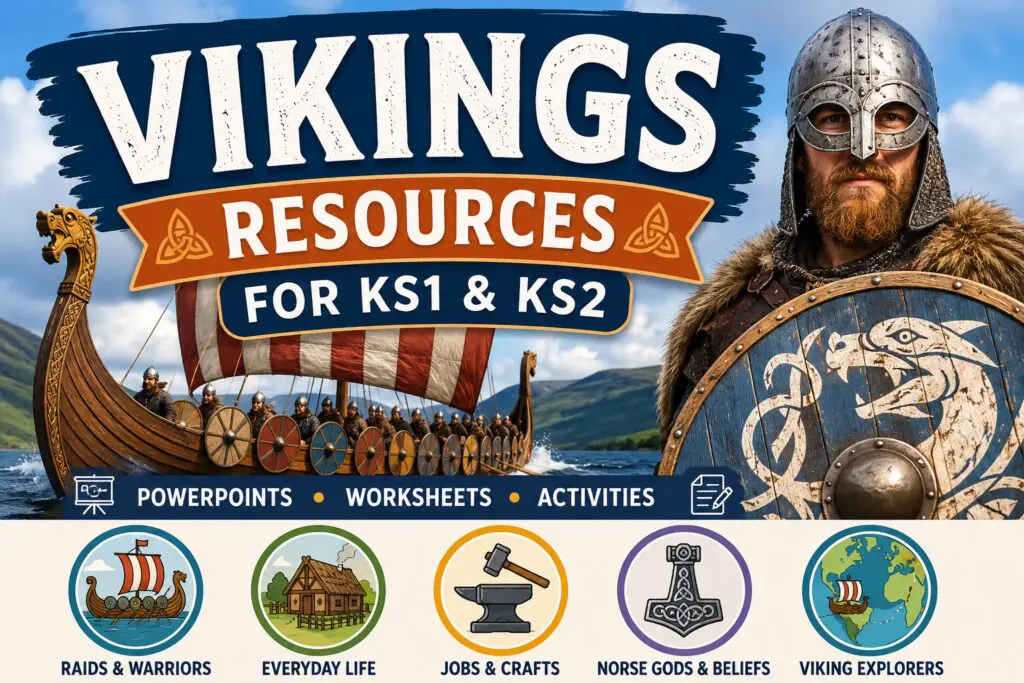
Vikings Resources for KS1 & KS2 – PowerPoints, Worksheets & Activities

Featured Resources
⚔️ Who Were the Vikings?
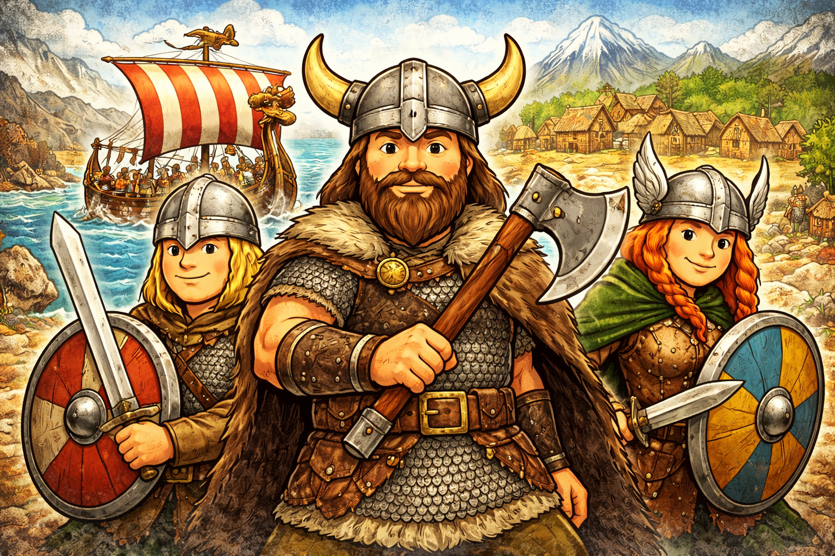
The Vikings were skilled sailors, traders and explorers who came from Scandinavia, a region that includes modern-day Norway, Sweden and Denmark. During the Viking Age, they travelled across Europe in their famous longships, trading goods, settling in new lands and sometimes carrying out raids. Today, we learn about the Vikings through archaeological discoveries, ancient stories and historical records.
🌍 Where Did the Vikings Come From?
The Vikings came from Scandinavia, a region in northern Europe that includes Norway, Sweden and Denmark. They lived in small farming villages close to the sea, where they built strong wooden longships for travelling and trading. From around AD 793, Vikings sailed across Europe, reaching places such as Britain, Ireland, Iceland and even North America. Their journeys helped spread Viking culture and had a lasting impact on many countries.
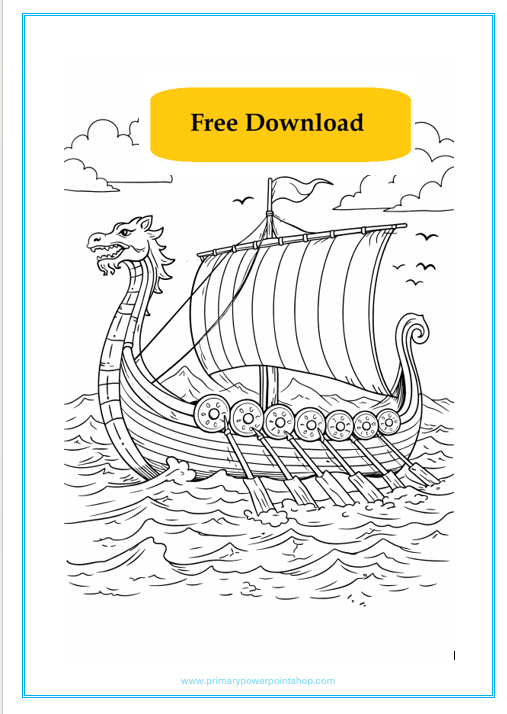
⛵ Viking Longships
Viking longships were fast, narrow boats made from strong oak wood. They had a large square sail and rows of oars, allowing the Vikings to travel across seas, rivers and shallow waters. Their clever design made them ideal for exploring, trading and carrying out raids. Longships helped the Vikings travel great distances and played an important role in their success as sailors and explorers.
🛖 Viking Homes and Settlements
Vikings lived in small villages made up of wooden longhouses, where families often lived together with their animals during the colder months. Their homes had thatched roofs, a central fire for cooking and warmth, and simple wooden furniture. Viking settlements were usually built near rivers or the coast, making it easy to travel, fish and trade. Many Viking settlements grew into busy communities where people farmed, crafted tools and traded goods with other countries.
🛡️ Viking Warriors and Raids
The Vikings were brave and skilled warriors who were known for their surprise raids on towns, villages and monasteries. They travelled in fast longships, allowing them to attack quickly before sailing away. Although the Vikings are famous for their raids, many were also peaceful farmers, traders and craftspeople. Today, historians know that Viking life was about much more than fighting, and they played an important role in trade, exploration and the growth of new settlements across Europe.
🌾 Everyday Viking Life
Most Vikings were farmers, fishers and craftspeople who worked hard to provide food and goods for their families. They grew crops, kept animals, made clothes, cooked meals and looked after their homes. Children helped with daily jobs and learned important skills from an early age. Viking communities also enjoyed storytelling, games, music and festivals, making family life an important part of Viking society.
🔨 Viking Jobs and Crafts
Vikings had many different jobs that helped their communities thrive. Farmers grew crops and cared for animals, while blacksmiths made tools, weapons and jewellery from metal. Skilled craftspeople worked with wood, leather, wool and clay to create everyday items such as furniture, clothing, pottery and boats. Traders travelled to distant lands to exchange goods like furs, amber and silver, helping Viking settlements become busy centres of trade and craftsmanship.
🧙 Norse Gods and Beliefs
The Vikings believed in many powerful gods and goddesses, a religion known today as Norse mythology. Some of the most famous gods included Odin, the wise ruler of the gods, Thor, the god of thunder, and Freyja, the goddess of love and bravery. Vikings believed these gods protected them and influenced the world around them. They also believed that brave warriors could go to Valhalla, a great hall where they would be welcomed after death. Stories about the Norse gods helped explain nature, courage and the importance of honour in Viking society.
🧭 Viking Explorers
The Vikings were some of the greatest explorers of the early medieval world. Using their remarkable longships, they sailed across the North Sea and Atlantic Ocean, discovering and settling in places such as Iceland, Greenland and even North America, hundreds of years before Christopher Columbus. They also travelled along rivers deep into Europe and Asia to trade with other cultures. Their courage, navigation skills and spirit of adventure helped them explore vast distances and leave a lasting mark on history.
⭐ Fun Viking Facts
🛶 Viking longships could sail in both deep seas and shallow rivers.
🌍 The Vikings reached North America around 500 years before Christopher Columbus.
🏡 Viking villages often included farms, workshops and marketplaces.
🧭 Vikings used the stars, the sun and landmarks to help them navigate on long journeys.
🦅 Many Vikings kept animals such as horses, sheep, goats and chickens on their farms.
💍 Vikings were skilled craftspeople who made beautiful jewellery from silver, bronze and gold.
📖 We know about the Vikings from archaeological discoveries, ancient stories and historical records.
⚡ Thor, the god of thunder, was one of the most popular gods in Viking mythology.
🛡️ Not all Vikings were warriors—many were peaceful farmers, traders and explorers.
🏰 The Viking Age is generally considered to have lasted from AD 793 to AD 1066.
💬 Discussion Questions
Why do you think the Vikings became such skilled sailors and explorers?
How did Viking longships help them travel to so many different places?
Why were rivers and the sea important to Viking settlements?
What skills would you need to survive as a Viking?
Why do you think many people remember the Vikings mainly for their raids?
How was everyday Viking life different from life today?
Which Viking job do you think would have been the most important, and why?
Why were the Norse gods important to the Vikings?
What challenges do you think Viking explorers faced on their long sea journeys?
If you could spend one day in a Viking village, what would you most like to see or do, and why?
❤️ Why Learn About the Vikings?
Learning about the Vikings helps children understand how people lived over 1,000 years ago and how their actions shaped the history of Britain and Europe. By exploring Viking homes, longships, beliefs, exploration and everyday life, children develop a deeper understanding of the past while building important history skills such as asking questions, investigating evidence and comparing life then with life today.
📜 Viking Timeline: The Viking Age
793 AD
↓
Lindisfarne Raid
↓
Settlements
↓
Danelaw
↓
King Cnut
↓
1066
Battle of Stamford Bridge
End of Viking Age
Related Resources