Sub-Total: £0.00
Victorians Resources for KS1 & KS2 | PowerPoints, Worksheets & Activities

💡 Amazing Victorian Fact
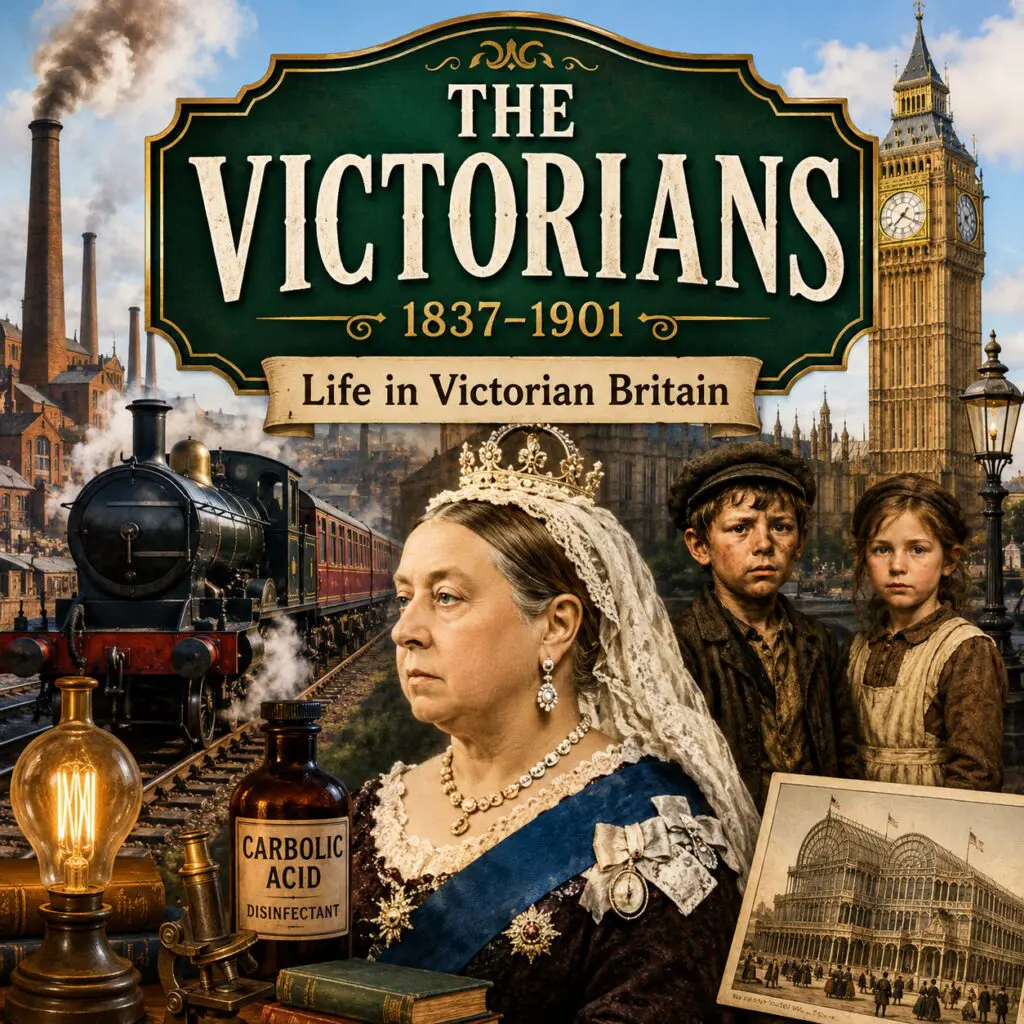
Did you know that during the Victorian era, Britain became one of the world’s leading industrial nations? Railways stretched across the country, incredible inventions transformed everyday life and the British Empire grew to become the largest in history. Many of these Victorian innovations still influence our lives today.
Featured Resources
👑 Who Were the Victorians?
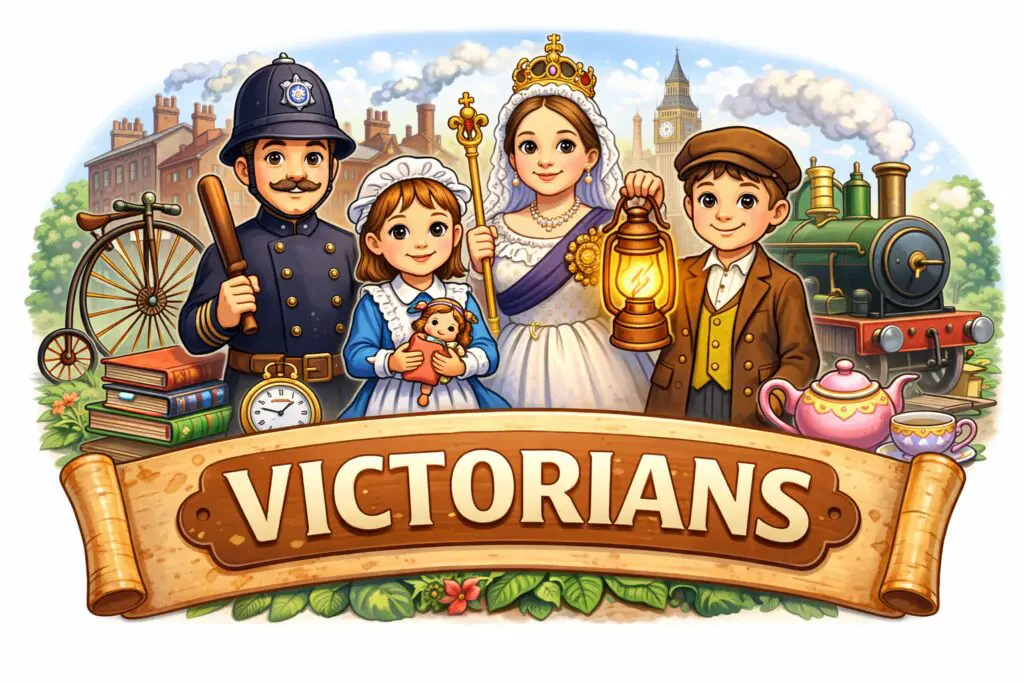
The Victorians were the people who lived during the reign of Queen Victoria, from 1837 to 1901. This was a time of enormous change in Britain, with rapid advances in industry, science, transport and technology. New railways, factories and inventions transformed the way people lived and worked, while the British Empire grew to become one of the largest in history. Although many people enjoyed greater opportunities and prosperity, others lived in poverty and worked in difficult conditions. Learning about the Victorians helps children understand how this remarkable period shaped many aspects of modern life.
👸 Queen Victoria
Queen Victoria was the Queen of the United Kingdom from 1837 to 1901, making her one of Britain’s longest-reigning monarchs. Her reign, known as the Victorian Era, was a time of great change and progress. During these years, Britain became a leading industrial nation, with new inventions, expanding railways and growing cities transforming everyday life. The British Empire also grew to become one of the largest in the world. Queen Victoria was widely respected for her dedication to duty and became a symbol of stability during a period of rapid change. Her reign had a lasting influence on British history and continues to shape the world we live in today.
🏡 Victorian Homes
Victorian homes varied greatly depending on how wealthy a family was. Rich families often lived in large, comfortable houses with many rooms, servants and modern conveniences such as gas lighting and indoor plumbing. In contrast, poor families frequently lived in small, overcrowded houses or cramped back-to-back terraces with little ventilation, no bathrooms and limited access to clean water. Many working-class homes were close to noisy factories and polluted streets. Learning about Victorian homes helps children understand the huge differences between the lives of rich and poor people during the Victorian era.
🎒 Victorian Schools
Victorian schools were very different from the classrooms we know today. Children sat in rows of desks and were expected to be quiet, obedient and respectful at all times. Lessons focused on reading, writing, arithmetic and handwriting, with pupils often learning by repeating facts from memory. Teachers were strict, and children who misbehaved could receive punishments such as writing lines, standing in the corner or even being hit with a cane. Although education improved during the Victorian era and more children were able to attend school, life in the classroom was often much stricter than it is today.
👨👩👧 Everyday Life
Everyday life in Victorian Britain depended greatly on a person’s wealth and social class. Rich families enjoyed comfortable homes, good education and leisure activities such as reading, music and holidays by the seaside. Working-class families, however, often worked long hours in factories, mines or workshops to earn enough money to survive. Many women managed the home while also working, and children were expected to help their families with household chores or paid work. Despite these differences, family life, community events, church and celebrations played an important role in Victorian society.
🏭 Factories and Child Labour
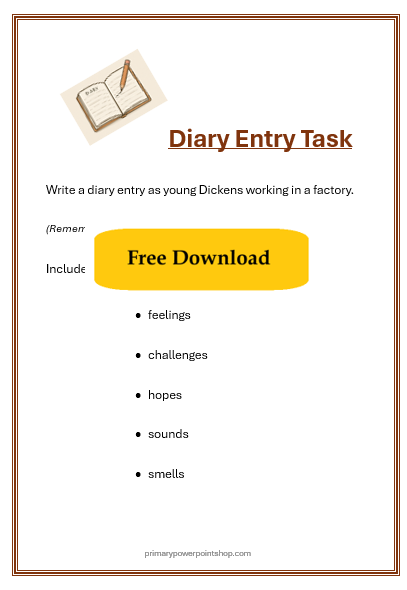
The growth of factories during the Victorian era created many new jobs, but working conditions were often difficult and dangerous. Adults and children worked long hours operating machines, carrying heavy loads and completing repetitive tasks for very little pay. Many children began working from a young age in factories, mines and mills to help support their families. They often worked in noisy, dusty and unsafe environments with little time for education or play. As people became more concerned about children’s welfare, new laws were introduced to improve working conditions and ensure more children could attend school instead of working.
🚂 Transport and Travel
Transport changed dramatically during the Victorian era, making it easier and faster for people to travel than ever before. The rapid growth of the railway network allowed passengers and goods to move across Britain quickly, connecting towns and cities. Steam-powered trains, ships and improved roads transformed trade, holidays and everyday life. Wealthier families could travel comfortably by train or horse-drawn carriage, while many working-class people began taking day trips to the seaside as rail travel became more affordable. These advances in transport helped shape the modern world and brought people and places closer together.
💡 Victorian Inventions
The Victorian era was a time of incredible invention and innovation. New technologies changed the way people lived, worked and travelled. Inventors developed or improved many important inventions, including the telephone, electric light bulb, steam engines, sewing machines and photography. Railways expanded across the country, factories became more efficient and communication became faster than ever before. These inventions helped shape the modern world, making everyday life easier and inspiring many of the technologies we still rely on today.
📚 Charles Dickens
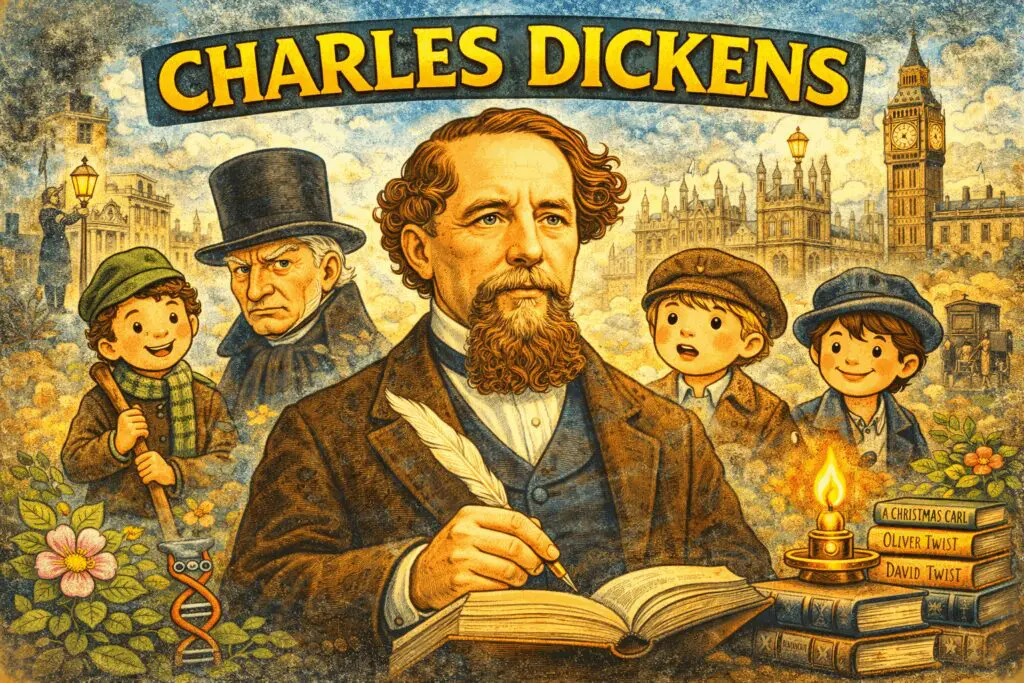
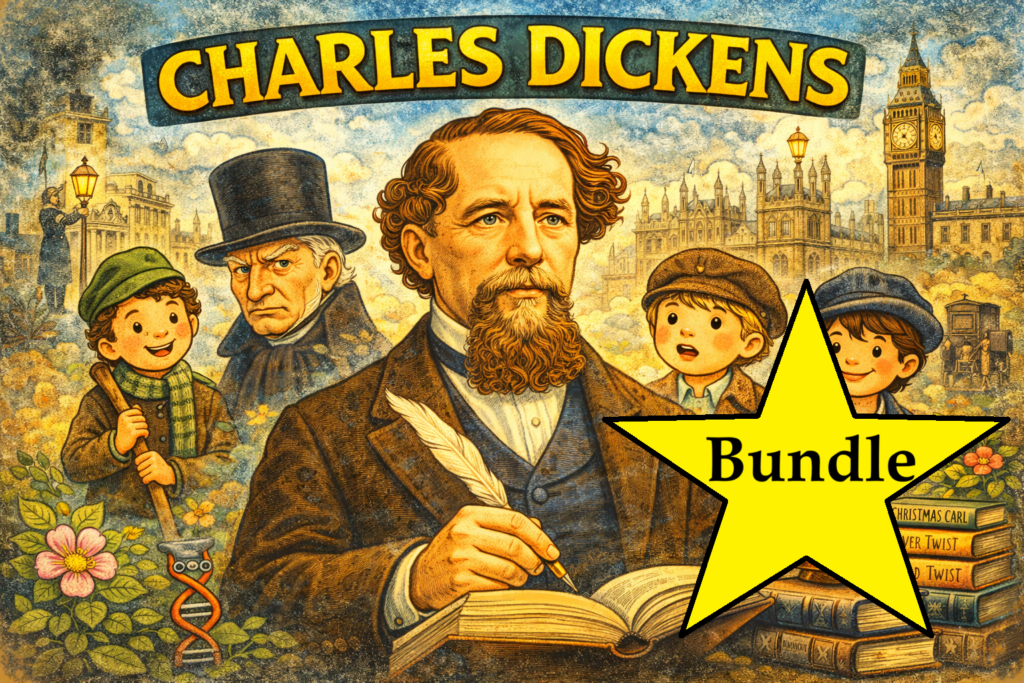
Charles Dickens was one of the most famous writers of the Victorian era. He wrote popular novels such as Oliver Twist, A Christmas Carol, David Copperfield and Great Expectations, many of which described the lives of poor children and working-class families. Through his stories, Dickens highlighted problems such as poverty, child labour and unfair treatment, encouraging people to think about improving society. His books remain popular today and provide a fascinating insight into life during Victorian Britain.
⚕️ Health and Medicine
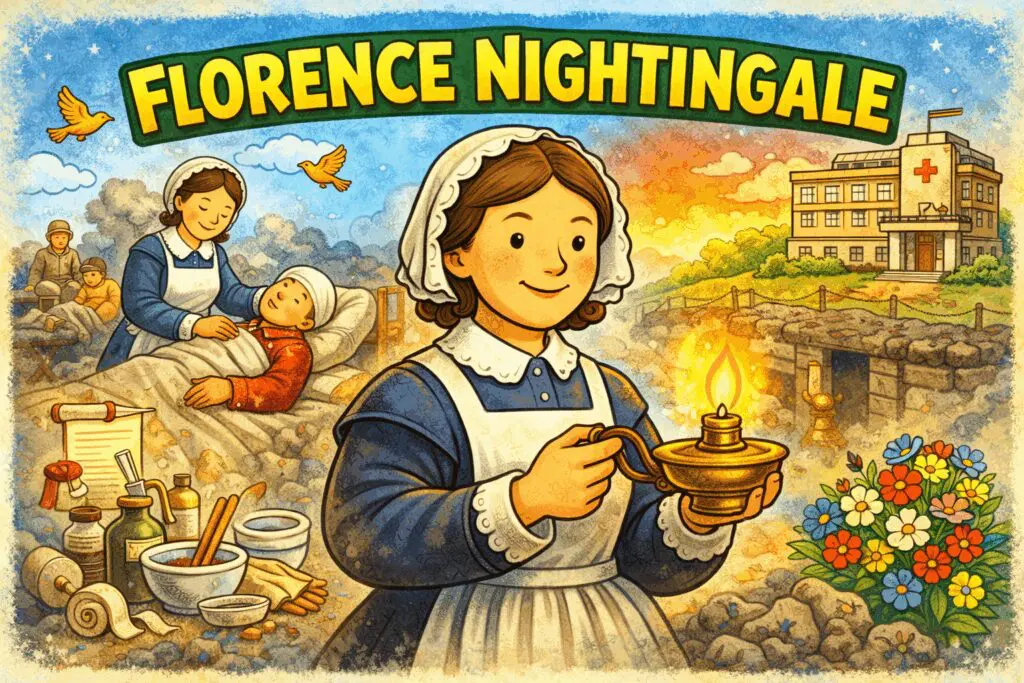
Health and medicine improved greatly during the Victorian era, although life was still difficult for many people. At the beginning of Queen Victoria’s reign, diseases such as cholera, tuberculosis and smallpox spread quickly because many towns had poor sanitation and limited access to clean water. As scientists learned more about germs and disease, hospitals became cleaner, vaccinations became more common and new medical treatments were developed. Improvements to sewers, clean water supplies and public health helped reduce the spread of illness and increased life expectancy. These advances laid the foundations for many of the healthcare systems and medical practices we rely on today.
⭐ Fun Facts About the Victorians
👑 Queen Victoria ruled Britain for 63 years and 7 months, making her the longest-reigning British monarch until Queen Elizabeth II.
🚂 The Victorians built thousands of miles of railway tracks, making train travel faster and more popular than ever before.
📮 The world’s first postage stamp, the Penny Black, was introduced in 1840 during Queen Victoria’s reign.
💡 Many inventions we still use today, including the telephone, electric light bulb and photography, were developed or improved during the Victorian era.
🎒 Victorian schoolchildren wrote on slates before using exercise books and pencils became common.
🏭 Many Victorian children worked in factories, mines and mills, often from a very young age.
📚 Charles Dickens wrote famous stories such as Oliver Twist and A Christmas Carol, which are still enjoyed around the world today.
🚢 During the Victorian era, the British Empire became the largest empire in history, covering almost a quarter of the Earth’s land.
🏖️ As railway travel became cheaper, many families enjoyed their first day trips to the seaside.
🩺 Huge improvements in medicine, clean water and sanitation during the Victorian era helped people live longer and healthier lives.
💬 Discussion Questions
Who were the Victorians, and why is this period named after Queen Victoria?
How were the lives of rich and poor Victorian families different?
What do you think it would have been like to attend a Victorian school?
Why did so many children work in factories and mines during the Victorian era?
Which Victorian invention do you think had the greatest impact on people’s lives? Why?
How did the development of railways change the way people travelled and worked?
Why do you think Charles Dickens wrote about poverty and child labour in his books?
How did improvements in health and medicine make life better for Victorian people?
What do you think was the greatest achievement of the Victorian era?
If you could spend one day living in Victorian Britain, what would you like to see or experience, and why?
❤️ Why Learn About the Victorians?
Learning about the Victorians helps children understand how Britain changed during one of the most important periods in its history. Pupils discover how new inventions, factories, railways and advances in medicine transformed everyday life, while also learning about the challenges faced by many people, including poverty and child labour. Studying the Victorian era encourages children to compare life in the past with life today, helping them appreciate how education, healthcare, technology and workers’ rights have improved over time. It also develops an understanding of the people and events that helped shape the modern world.
📜 Victorian Timeline
1837 – Queen Victoria becomes Queen of the United Kingdom, marking the beginning of the Victorian Era.
1840 – The Penny Black, the world’s first postage stamp, is introduced.
1840s – Britain’s railway network expands rapidly, making travel faster and connecting towns and cities.
1842 – The Mines Act prevents women and young children from working underground in mines.
1847 – The Factory Act limits the working hours of women and children in factories.
1851 – The Great Exhibition opens in London, showcasing amazing inventions and achievements from around the world.
1859 – Charles Darwin publishes On the Origin of Species, changing scientific understanding of the natural world.
1870 – The Education Act helps make schooling available to more children across Britain.
1887 – Queen Victoria celebrates her Golden Jubilee, marking 50 years on the throne.
1897 – Queen Victoria celebrates her Diamond Jubilee, marking 60 years as Queen.
1901 – Queen Victoria dies, bringing the Victorian Era to an end after 63 years and 7 months of remarkable change and progress.
📚 Related Resources