Sub-Total: £0.00
Minibeasts Resources for KS1 & KS2

Minibeasts are one of the most popular science topics in primary schools. Children enjoy exploring gardens, parks and outdoor spaces to discover the tiny creatures that live around them.
This page provides a collection of Minibeasts resources, activities and printable materials designed to support engaging science learning for KS1 and KS2 pupils.
Free Resources

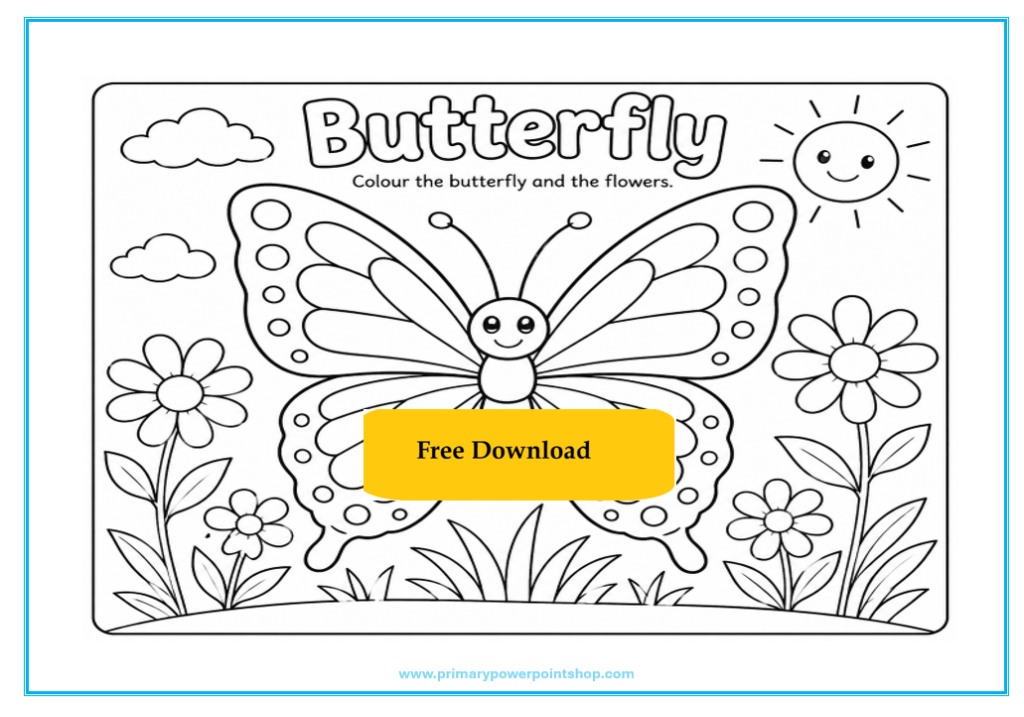
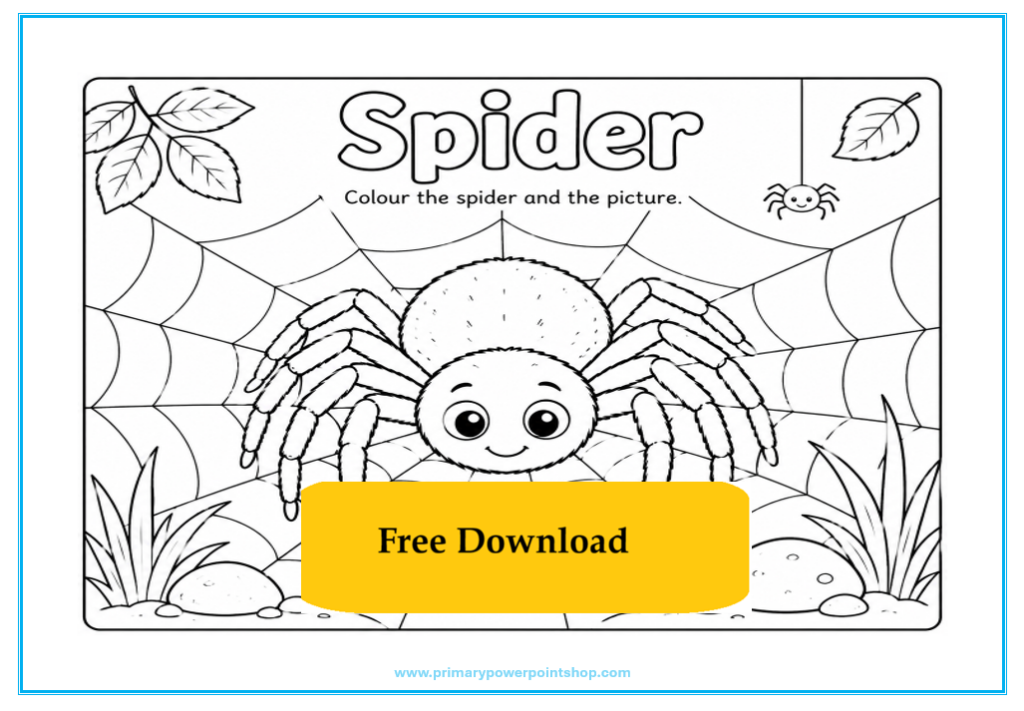
Examples include:
🐞 Ladybirds
🦋 Butterflies
🐝 Bees
🕷️ Spiders
🐌 Snails
🪱 Worms
🦗 Grasshoppers
Ladybird 🐞
Ladybirds are insects with colourful wings and black spots. They help gardeners by eating aphids.
Butterfly 🦋
Butterflies begin life as caterpillars before changing through a process called metamorphosis.
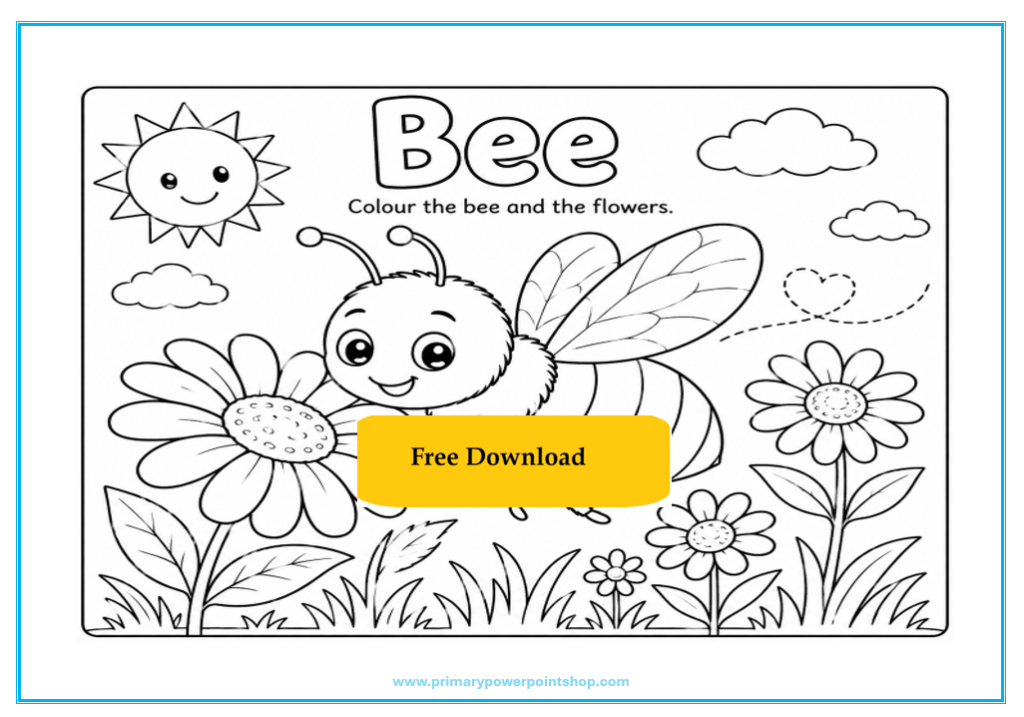
Bee 🐝
Bees collect nectar from flowers and help pollinate plants.
Spider 🕷️
Spiders are not insects because they have eight legs instead of six.
Snail 🐌
Snails carry their shells on their backs and move using a muscular foot.
Worm 🪱
Earthworms help improve soil by breaking down dead plant material.
Minibeasts can be found in many different places.
🌱 Gardens
🌳 Woodlands
🍂 Leaf piles
🪵 Under logs
🌾 Grasslands
🏞️ Parks
Different minibeasts prefer different habitats depending on their needs.
Pollination
Bees and other insects help plants reproduce.
Food Chains
Many animals rely on minibeasts for food.
Soil Health
Worms help keep soil healthy.
Biodiversity
Minibeasts contribute to healthy ecosystems.
Scientific Observation
Studying minibeasts helps children develop observation and classification skills.
Fun Minibeast Facts
🐜 Ants can carry many times their own body weight.
🦋 Butterflies taste with their feet.
🐝 A bee may visit thousands of flowers in a day.
🕷️ Most spiders are harmless to humans.
🐞 Ladybirds are considered helpful insects by gardeners.
Where Can You Find Minibeasts?
🌿 Gardens
🌳 Woodlands
🪨 Under rocks
🍂 Leaf litter
🌼 Meadows
- What is your favourite minibeast?
- Where might you find a minibeast habitat?
- Why are bees important?
- How are spiders different from insects?
- Why should we care for living things?
Minibeasts help children explore the natural world and develop important scientific skills. By learning about insects, spiders, worms and other small creatures, pupils gain a greater understanding of habitats, food chains and biodiversity. These Minibeasts resources provide engaging activities and printable materials to support learning in KS1 and KS2 classrooms.
Related Resources